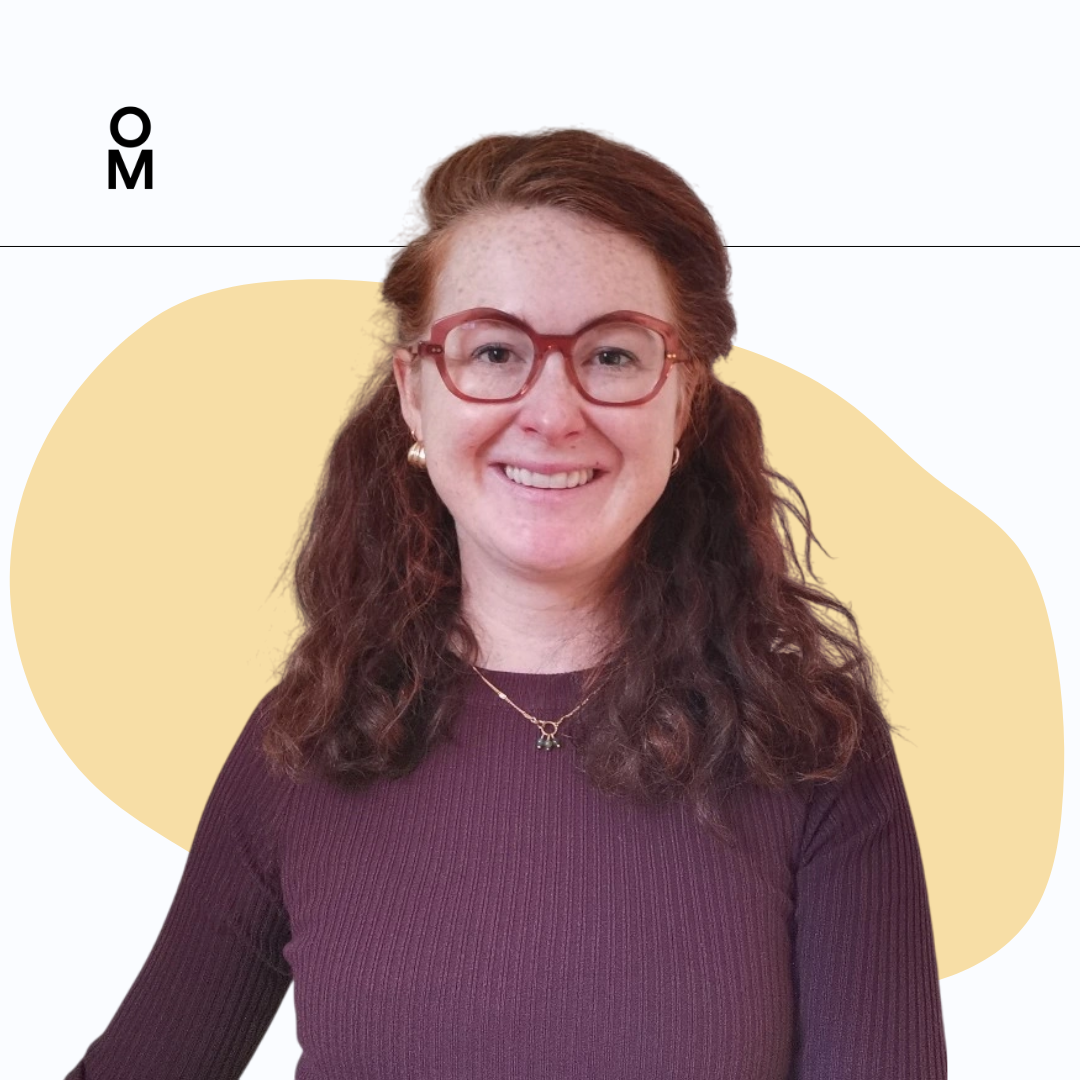
My journey was not planned. It all happened somehow naturally. My first job was as a software engineer. I always liked technology, and I knew that I wanted to be involved in this field. When I started 8 years ago, there was no awareness, especially in Ukraine, of the different roles or industries that exist.
I didn't know what role or job title I could pursue, but I knew that I wanted to do something related to technology. I wanted to understand how technology works, and that's why I studied computer science. I started as a software engineer, which was my first job, and then I progressed in my software engineering career. I became a team lead, and later an engineering manager.
When I joined a product company, I quickly realised how differently product companies operate compared with outsourcing. I saw teams focusing on solving real problems rather than simply implementing tickets. That made me curious: how do we really know which problems we should be solving, and how do we identify the underlying pain points? That curiosity naturally led me towards product management. At the same time, I really enjoyed staying close to the technical side.
Bringing these two areas together brought me into a Platform Engineering Lead role, where I shaped internal developer platform strategy and deepened my experience in Developer Products and Developer Experience.
From there, my technical background naturally took me into UK FinTech, and I found my passion in payments, a complex, highly technical space with plenty of problems to solve. Today, I work as a Senior Product Manager at Thought Machine.
My first role as a team lead happened naturally because I started doing the job before I got the title.
At work, I always treat the company and the product like my own business. I’m a proactive person, someone who thinks about the success of the company as a whole. For me, the mindset of ownership and attitude towards improving things helped me become more visible and gain access to the right opportunities at the right time.
I always struggled with delegating. When I transitioned from being an IC to a leader, I still tended to do everything myself. I ended up being overworked. I was doing the work of six people, which was unsustainable. My manager is an amazing person. During one of our catch-ups, he told me to learn to delegate, and slowly I started working on it. Now, I notice many people who have just transitioned and face the same challenge.
Another leadership capability that is hard to develop is identifying who you are as a leader and finding your identity as a leader. Ask yourself: what's your leadership style? How do you lead? What are your principles? What are your values? What kind of environment do you want to create in your team, and why does it matter to you?
For me, the hardest part was identifying my principles and my leadership style without changing my core identity. When I started being a team leader, I wanted to copy somebody, and I was not true to myself.
I tried to be the right leader on paper, which doesn't work. People can feel if you're real because that helps to create a safe space and enables people to open up. Your team members know what to expect and what type of environment they work in. This sense of comfort and predictability defines you as a leader.
When people become leaders and are given leadership opportunities, they start thinking about how to grow their team. What do I need to do? How do I help? That's the natural approach. Based on my experience, I can recommend starting to learn more about yourself by doing self-exploration and self-discovery.
I love psychology; it's kind of my hobby; I read a lot about it. We are not aware of a lot of our reactions because they are automatic reflexes. We all have triggers that we might not even realise. Becoming more self-aware as a leader has helped me build my emotional intelligence.
Traditional leadership placed greater emphasis on hierarchy, direction and centralised decision-making. Under pressure, leaders could respond instinctively, often without pausing to reflect on what was driving their response.
If you ask me what future leaders need to work on, I’d say the most important is self-awareness: understanding who you are as a person, who you are as a leader, what your principles are, and then working on your emotional intelligence. Try to empathise with people, but don't jump into the problem straight away. Understand the emotions, environment and the team.
We have so many opportunities with different roles, titles, and niches. You can choose whatever you want. It can feel overwhelming at the start of your career journey.
What I always say is to learn the basics and build a strong foundation. If you start as a software engineer, you must learn software development. Learn the core principles and build a strong foundation before focusing on a particular programming language. Every industry you choose, especially tech, has the foundations that everybody must learn. In platform engineering, there is a set of cloud technologies that are essentially must-haves.
When I mentor, I always give this example to my mentees. Imagine you're looking for a new job. Think that you are now studying and preparing for it. You might get an opportunity in a year, or maybe in six months. Now go on LinkedIn and see what type of roles you want to have. Then read the skills and requirements that they are looking for in these roles. Now you have an idea of what you need to learn.
Ask yourself: where do I want to work? There are industries which require you to have domain knowledge. In FinTech, knowledge of payments is important and can be beneficial if you develop it to stand out.
Keep in mind that some roles are growing, some are not, and some are declining. Research the industry to see where it is heading. Try to match your interests and fill in the gaps by developing as many skills as you can to get a specific role.
What excites me most about AI is the opportunity it creates to empower people, particularly in financial services.
I think we’re going to see much more personalised financial products and experiences. Historically, banking products have been designed around broad customer segments rather than an individual’s income, spending patterns, habits and goals. AI can provide spending insights, suggest ways to manage money, help people set goals, allocate money and celebrate milestones. This can help people build financial stability, reduce stress and have a positive impact on their wellbeing.
We’re also seeing AI move into everyday tasks. Most of us have wanted to buy something but waited for the price to drop or for it to go on sale. AI could take care of these things for us. You could simply say, “Buy this when the price drops below £50,” or “Pay my bills,” and AI could do it with your approval. It’s about delegating more everyday tasks to AI and having more time for what matters.
For businesses, AI can help detect and prevent fraud, improve operations and better understand customers, helping create better and more personalised customer experiences.
Before I started working in payments and being on the other side of this whole payment experience, it seemed so simple. You tap your card, and it's done. Then you open your bank account, and you see that it was done. When you travel, you can use the same card and pay in any country, and that's amazing! What it does is create this illusion for consumers that payments are straightforward. That's the core idea: to make it seem very simple. You only realise the complexity of this when you want to open a business to sell something. That's why, for example, Stripe exists.
Most people don't realise how complex and difficult payments are and how many parties are involved in a simple card payment. You can think of simple card payments as one API call, but the complexity of the journey is much more than we can even imagine, especially when we talk about cross-border payments.
As consumers, we see this when a card is blocked or a transaction is declined unexpectedly. It makes us wonder what’s really happening behind the scenes and whether it’s as simple as it appears.
We have statistics and data that give us a hint of what’s happening. Men apply for a job when they meet around 60% of the qualifications, while women often apply only when they meet 100% of them. I see similar patterns in mentoring. One of the common challenges is that women don’t always speak up, put themselves forward or take the risk.
The industry is still male-dominated, and we can see that particularly in leadership roles. When there is less representation, women can start doubting themselves and questioning whether they belong. That’s why I dedicate my time to showing up, speaking and writing, to lead by example and show that there is a place for women in leadership.
I want to encourage women to be themselves, take opportunities when they arise, and, even better, learn to create opportunities for themselves. When you put yourself forward and show what you can do, people start to see you in that role. And when the opportunity comes, you are ready to take it, accept the risk and trust your skills.
Another challenge is balancing leadership with family and caring responsibilities. Having children can make career progression more complicated, especially without the right support at home. Leadership can be demanding and stressful, and some women choose to prioritise family, which is completely fair.
The bigger question is what we can do as an industry to support people and create more flexibility in roles and responsibilities. For me, it is about ensuring women and men have equal opportunities while recognising that their circumstances can be different, including the biological reality of pregnancy.
The one I like is simple: follow your dream and don't give up.
I am the person who seems very confident on the outside, but inside I have my doubts. Life is full of ups and downs; especially when you take a risk, things might not always work out. For me, it's about being clear on what you really want in life: what's your dream, your goal, what you truly enjoy doing. When you have a dream and something that you really enjoy doing, you can't give up.
You might not achieve this dream, but if you follow what you enjoy and go in the direction you feel is right for you, the opportunities will open, and they can be better than what you imagined. The more experienced you become, the more your perspective changes. From point A, where you were at the beginning, you can't always see point C or D because it's far in the future.
Find something you enjoy doing; think about who and where you want to be in 5, 10, or 20 years. Have a picture in mind and a direction; that is something that will keep you moving.