


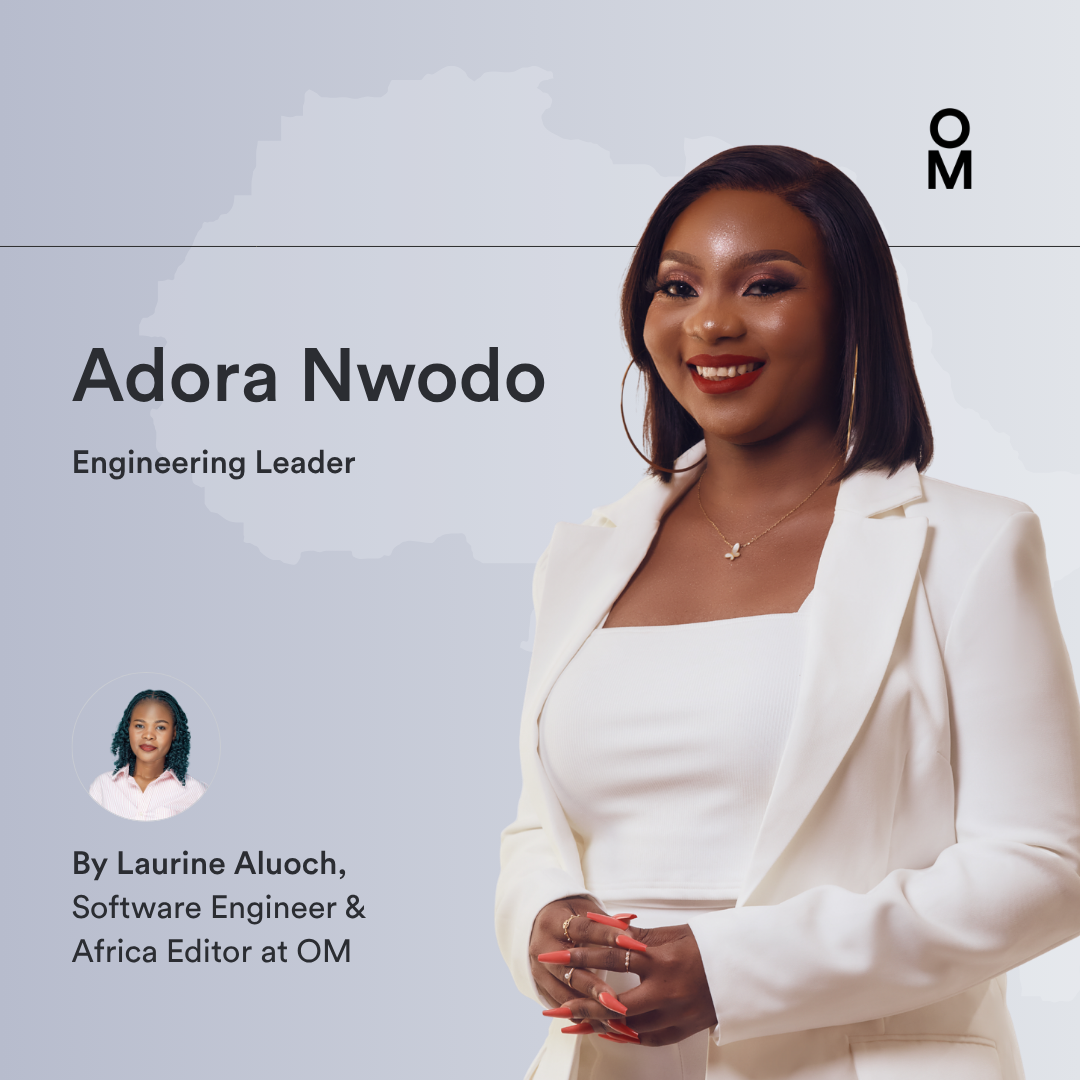
Honestly, I had a very traditional career. I’ve used computers all my life and loved them. I started coding as a child; I used to code calculators to solve my math assignments back in the day. At the time, I didn't even know software engineering existed as a career. Despite this, I have always been inclined toward Technology. I wanted to study Mathematics, and I learned to code because I loved Math. I knew about Computer Engineering, but I thought engineering meant people working with hardware, screws, and machines. I didn’t really understand the software side the way I do now.
Due to my interests, I came to learn about Computer Science and Software Engineering as possible fields to pursue. I am the youngest in my family, and one of my older brothers had a friend who was studying at MIT at the time. He noticed the things I was interested in and connected me with him. He now works at Google. From him, I learned about career direction: what to study, what to do, and how to think about building a career in Technology. I ended up in Software Engineering because I received the right mentorship early in life. I also believe mentorship is critical because of how it contributed to my career journey.
For me, it is curiosity and hunger. At this stage in my life, I have friends in the industry who are further along in their careers than I am. I ask a lot of questions. I observe how their careers are growing, and I try to emulate what I can. But the two things that drive me are curiosity and hunger. I am always looking for ways to learn new things.
I completed my master's degree in computer science this summer, and I am currently working on my MBA, which I should graduate from next year. The MBA wasn't about learning business management. I wanted to get out of my comfort zone and meet people from completely different careers who were building leadership experience. It was about the community, the connections, and learning to think outside the box. All these pursuits bring me closer to my career goals.
I am stepping beyond engineering into engineering leadership. I'm not just thinking about code anymore. I'm thinking about organisational design, strategy, architecture, and how technology aligns with business goals. I am inspired when I meet people outside my field; there’s always quite a lot to learn from everyone.
Ultimately, I want to contribute to Academia through research and teaching. I've already started doing that through writing books, but I want to do it on a much larger scale. Products come and go, but knowledge stays. The fundamentals remain the fundamentals. If I can contribute through research, teaching, or books that teach foundational concepts, that's something that lasts.
Writing does two things for me: it helps me learn, and it helps me teach.
When I wrote my first book, I wanted to teach the foundations of cloud engineering based on what I had learned. I never imagined it would be received the way it was. It was received so well that it led to an international book deal, and from there one book deal led to another, and another.
The first book became a breakthrough. Today, whenever I think about writing, I want to make sure my knowledge is grounded in industry reality. It pushes me to read more, stay up to date with what's happening across the industry, and keep learning beyond my day-to-day job. For me, writing is ultimately about teaching and helping other people build strong foundations. Being a leader in Technology requires commitment to growth, which is highly achievable by sharing knowledge. Through sharing knowledge, you not only build credibility, but also help other upcoming engineers grow.
It's not just about technology. It is about the world we live in. When it comes to leadership positions and opportunities, you still don't see many women at the table. One thing that makes me hopeful is that both women and allies are becoming much more intentional about creating opportunities for women, whether that's funding startups, advocating for women, or considering women for leadership positions when they show promise.
One thing I've noticed, though, is that women are often given more advice than resources. If I could change one thing, I'd change that. Everybody has advice about what women should do in their careers, but advice alone isn't enough. If someone wants to learn technology, they need access, opportunities, maybe even a laptop, or funding. If someone is building a startup, they need capital. Resources matter.
I have had mixed experiences as a woman working in Tech. I've worked in places where I was respected because of what I brought to the table, and I've worked in places where I was disrespected despite what I brought to the table. What I have learned over time is the need to act against ill treatment. I would encourage more women to exit situations that don’t serve them. We also need stronger systems in Africa to protect women from workplace abuse, whether that's bullying, harassment, or abuse of power.
First, you need to believe in yourself. Once you truly believe in yourself, you can move mountains. Believing in yourself gets you started. You'll surprise yourself with what you're capable of. The second thing is this: you can wake up and make the decision to do things that you never thought of before. Nothing is stopping you. Many of the limitations we think exist are only in our minds. You can wake up and send someone a message proposing a collaboration. You can apply for that senior engineering role, despite not knowing whether you'll get it. You can start a YouTube channel. You can write a book. You can build a community around any area you care about; AI, cloud engineering, data engineering and any other. You can simply wake up and do it. Everything limiting you is inside your head. Once you stop living inside those limitations, you'll accomplish far more than you ever imagined. So, I would say believe in yourself and take the necessary action to achieve your goals.







.png)


.png)


