


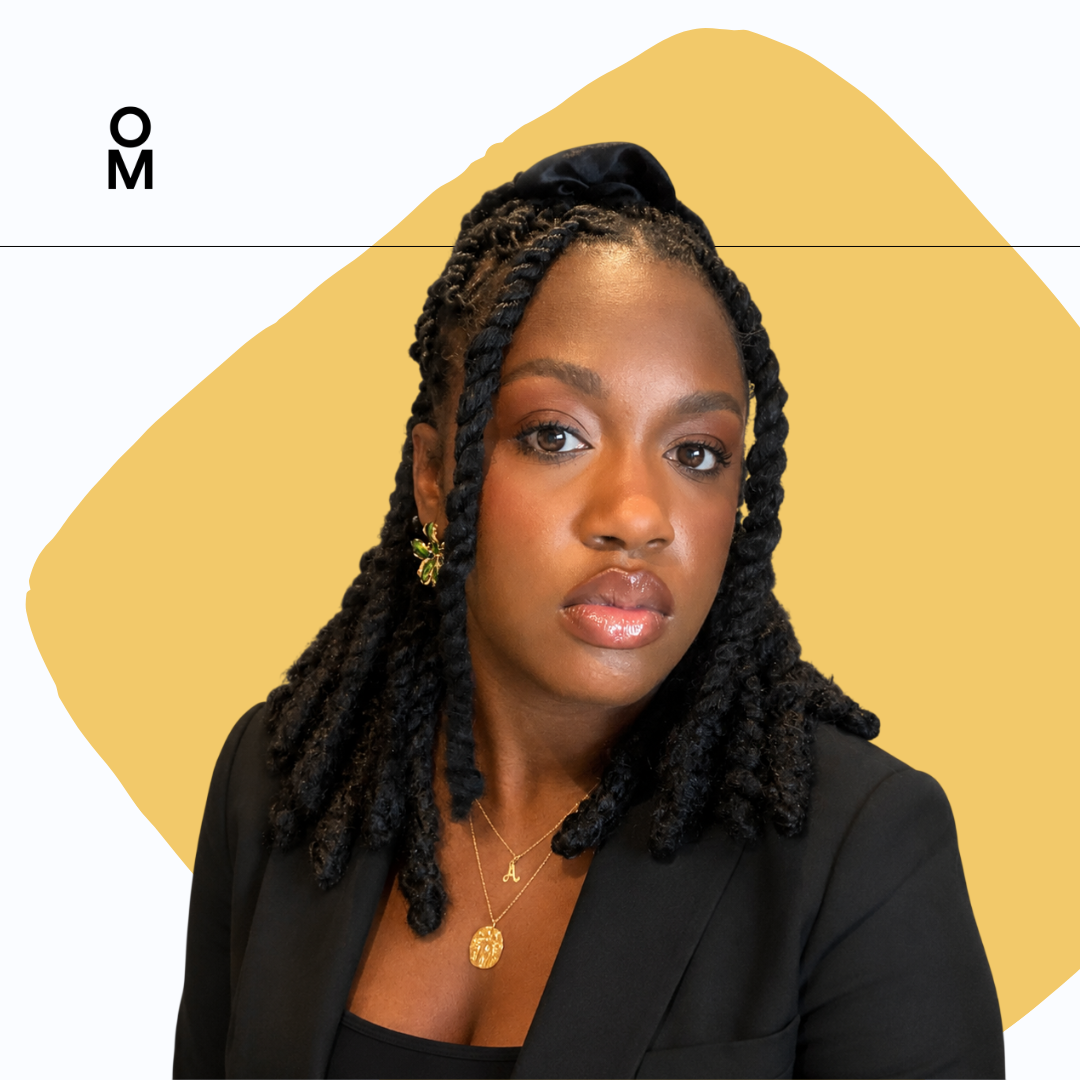
I studied Design Engineering at Imperial College London, completing an integrated master’s degree over four years. In terms of what the degree is, because that’s often the first question I get asked, it’s a multidisciplinary engineering degree. It combines user research, product strategy, design thinking, and traditional engineering, including areas such as programming, electronics, robotics, and more. During that time, I was also teaching holiday camps. I was teaching school kids AR and VR and introductions to Python.
Regarding my wider background and experience, I’ve spent some time working in traditional engineering. I’ve been involved in projects such as the development of Battersea Power Station and High Speed 2 (HS2). I had then also spent some time at Amazon working in operations and logistics.
In 2022, I joined Microsoft as a technical consultant. I specialised in cybersecurity and cloud. During that time, I found that whilst I enjoyed the role and the work I was doing, I wanted to have more of a hand in making the product decisions and deciding what we were going to build to begin with, as opposed to implementing or securing the technology. That's when I made the move to UX with my design studio, Studio 42.
What I have been doing for over two years now is essentially building custom Microsoft products for enterprise clients, specifically AI business solutions and AI-powered experiences. Where I sit is actually very similar to what I was doing in my degree given that I do user research, product strategy, and design. I take the big AI ambitions of our customers and turn them into something practical that people want to use.
When I was first started in my career, I was learning to be vocal and, more specifically, understanding and acknowledging that yes, I'm the youngest person in the room, but I still have something to add to the conversation. I think it's very easy when everyone around you is more experienced than you to defer to them and let their experience lead in the decision-making. To a large extent, they should be leading with their experience, but expertise doesn't replace diversity of thought or diversity of opinion. Sometimes bringing a fresh perspective or asking a difficult question is exactly what the team needs.
I think another experience is being the only Black person, or the only woman, or Black woman on a team and learning how to navigate that. That allowed me to create the environment I wanted to see. That meant setting up a Black Employee Group for Microsoft UK, which I did not long after joining the company.
Yes, it’s about giving back to other people and creating a community, but I also did it because of my own needs and desires. It created a space where I could talk about certain issues, have conversations that other colleagues might not always understand, and work through challenges together.
First things first, you should always develop your technical expertise and make sure you know your domain. However, I would argue that soft skills are the most important ones to carry with you from job to job. In terms of the skills that have carried me throughout my career, I think number one is proactivity.
Rather than waiting for a task or something to come to you, assess your environment. When you step into a new company, take the time to understand your team, the projects you’re working on, what’s needed, and where there may be gaps. Ask yourself: what challenges are we facing? How can I contribute?
Networking is another thing. A personal brand is what people say about you when you’re not in the room and can’t advocate for yourself. Having more people across the organisation who understand what you’re working on and the impact you’re making means they may be in that room and can speak about your contributions on your behalf.
Other skills that I can think of are communication, transparency, and being upfront with people. If you’ve been given a deadline that you don’t think is achievable, say that upfront. Let people know when they can realistically expect it and what other priorities you’re balancing. Suggest alternative solutions to help work around it, perhaps bringing in another person who can support you in delivering the task.
I work in consulting, so it’s a client-facing role. If someone asks me a question and I don’t have the answer, I don’t pretend that I do. I’m honest and say: “I don’t have the answer to this specific question right now, but I’ll find out and come back to you as soon as possible.”
When it comes to simplicity in enterprise AI, it’s not about reducing functionality or limiting what a solution can do. It’s about reducing cognitive effort, lowering the mental load and making the experience easier for the user. A UXer’s job is to surface the right information at the right time.
As a user, I want to focus on the task or the goal. Users should never have to think about the underlying technology. They shouldn’t be thinking about system architecture, prompt engineering, or foundation models. If a user can achieve their goal without needing to understand any of those things, that’s a sign of good design.
I'm a big believer in experimentation, learning and shipping fast. But one thing that must be maintained throughout all of this is transparency and trust. I think if trust is gone, then adoption will decline.
Going back to what I said before, it’s about surfacing the right information at the right moment and showing users how confident the system is, so they can make informed decisions and know when to apply their own judgement.
People sometimes believe that if they work hard, recognition will follow. In some cases, it does happen, but unfortunately, in many cases, it doesn’t. That’s why visibility in the corporate space is so important.
I think community spaces, like ERGs, are a great way to meet people across your organisation without it being solely work-driven. A lot of these groups focus on supporting employees, but they also get involved in charitable initiatives and community outreach activities.
By attending and contributing to these communities, you’re able to build relationships with business leaders that you might not have had the opportunity to connect with otherwise. You can get to know them on a more personal level and understand who they are as individuals. Sometimes, that creates a more authentic foundation for building relationships. It also means that more people across the organisation become aware of who you are and the value you bring.
I mentioned earlier that a brand is about who can speak about you, your capabilities, and your impact when you’re not in the room. I think being part of those community spaces allows more people to engage with that and to amplify your brand and your impact when you’re not there.
We know there are a lot of different systemic issues, and I’m not going to get into them here. I just want to acknowledge that there are many external factors at play, and we shouldn’t overlook or dismiss them, because they are very real and prevalent.
However, one issue that we see that doesn't even allow us to get into the ring is around self-advocacy. I think there are a lot of people, and women specifically, who are a little bit shy about their impact, what they've achieved and what they've done in the business.
It’s about going outside of your comfort zone to be very honest and upfront about what you're achieving. What does that look like? At your regular one-to-ones with your manager, you should be upfront about your achievements, what you've done or what you've been up to since the last time you spoke.
You shouldn't be waiting for annual reviews to bring up what you're doing. Your manager should be aware of everything that you've been up to. They shouldn't be hearing anything for the first time in that review. You should feel like there's no possibility of being surprised by the outcome of that meeting, because you and your manager should be on the same page throughout the whole year.
Mine is a funny one. I received this piece of advice when I was in Sunday School. I was about seven years old, but I’ve never forgotten it.
One of my Sunday school teachers said, “Begin with the end in mind.” I’ve never forgotten that sentence. Essentially, it’s about being outcome-driven.
When I was setting up the Black employees’ community for Microsoft UK, designing a new product, launching an initiative, or doing anything else, I always try to think about what I want to achieve and what outcome I’m working towards. I think when you engage in that kind of big-picture or visionary thinking, it can help guide your path. It makes it much easier to make decisions because you start to prioritise what matters most.
You don’t necessarily have to think of every decision as being explicitly one way or the other. For example, if you’re choosing between two options, ask yourself: “Will this take me closer to my goal?” And if both options move you closer, then there may not be a wrong decision.
I can sometimes fall into analysis paralysis or worry about making the wrong choice, but sometimes there isn’t a wrong decision. It’s about breaking things down and asking yourself: “Does this move me towards the future, goal, and outcome that I want?” That mindset has given me a lot of reassurance.
Even when it comes to your career, it’s not always about the very next promotion or the next role, but thinking long term and considering the future you want to build.






.png)


.png)


