


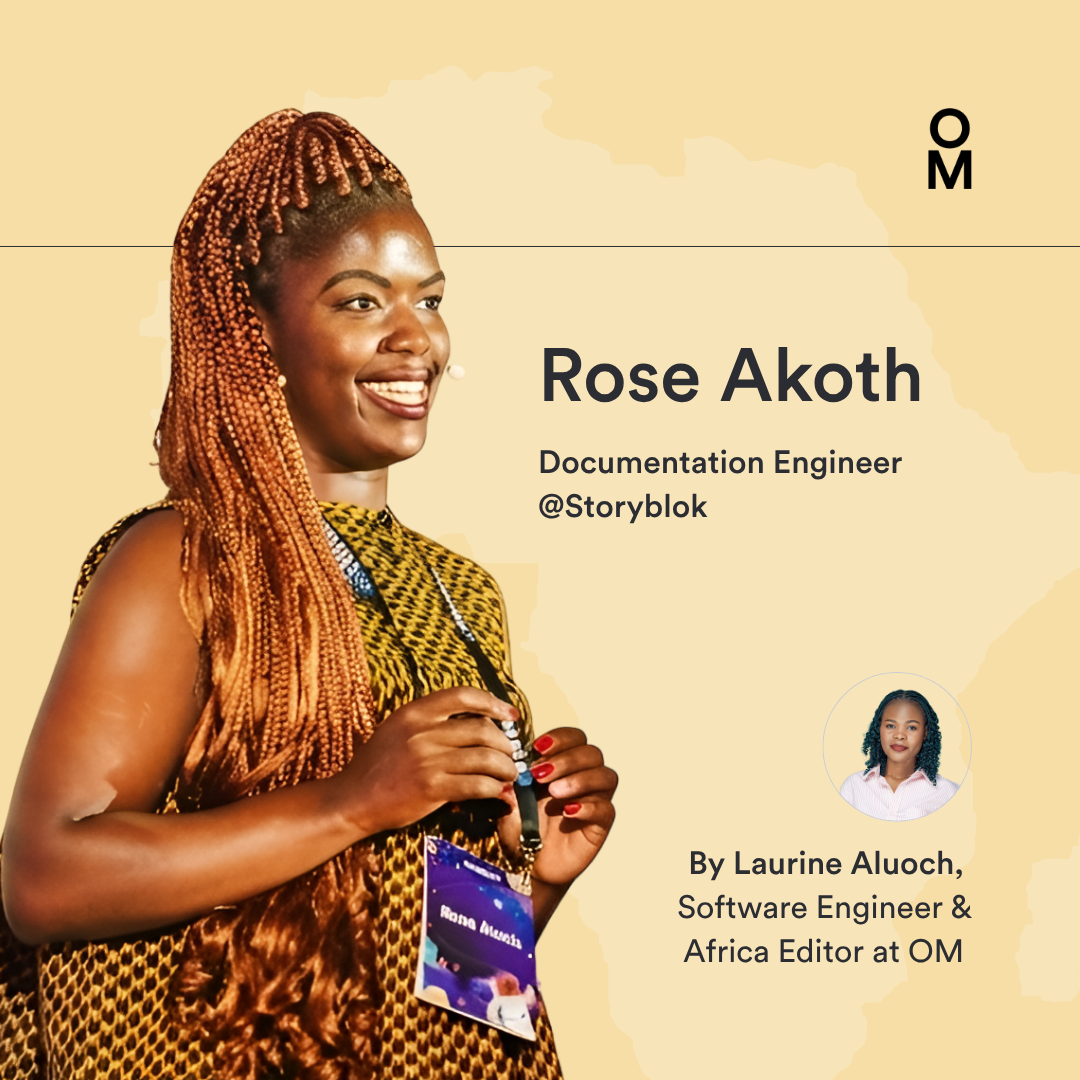
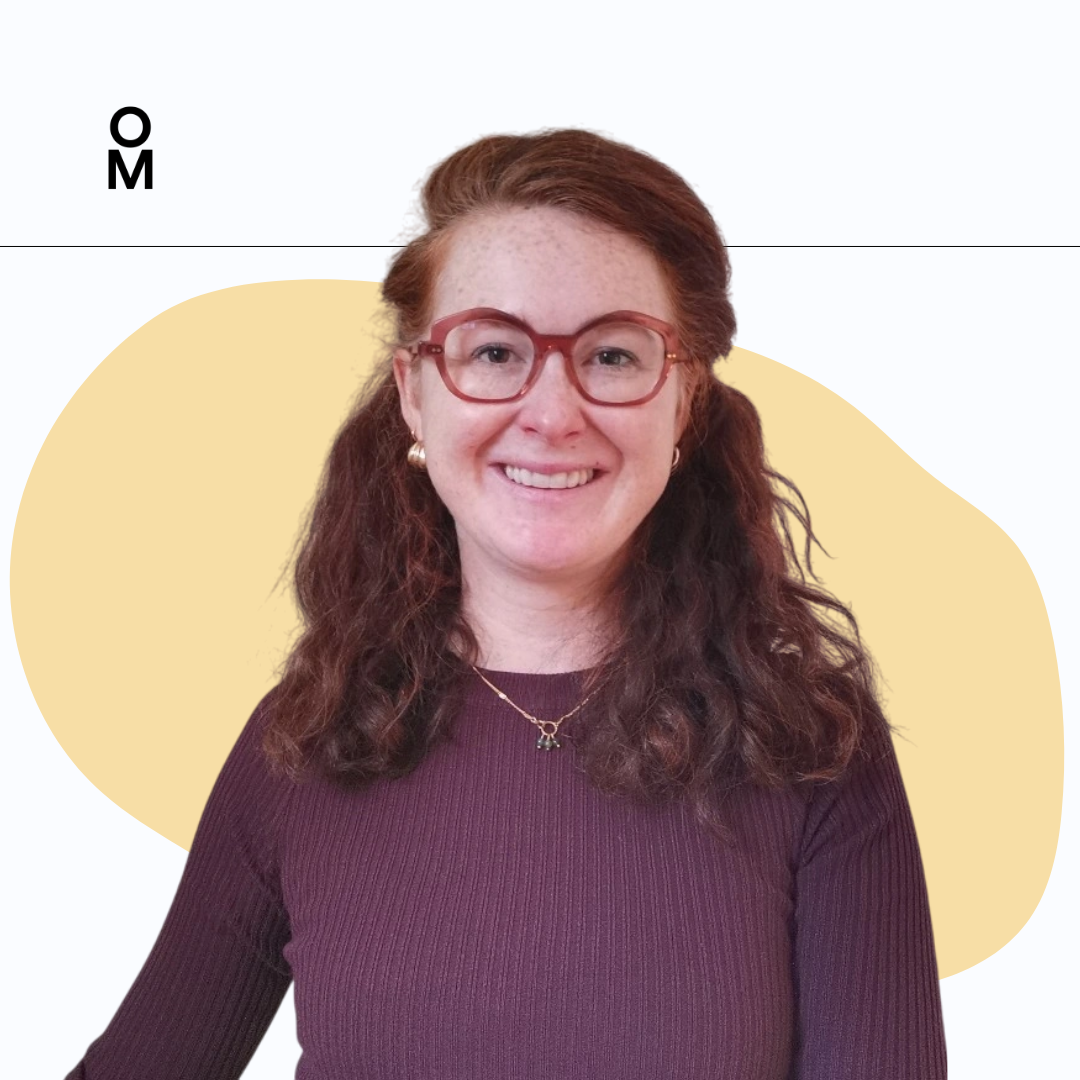
In this month’s edition, we speak with Rose, a Documentation Engineer at Storyblok, about her journey from IT support to documentation engineering, the role mentorship has played in her career, overcoming imposter syndrome, and why giving back to the Tech community matters. Her story offers valuable insights for women looking to build successful careers in the tech industry. Rose’s journey is a reminder that successful careers are built one step at a time through curiosity, continuous learning, mentorship, and community engagement. Rose has transformed challenges into opportunities and continues to inspire others to do the same.
My journey started in IT support. In this role, I was involved in troubleshooting issues and working with technical systems as an intern. This later opened the door to a full-time position, as I had developed a deeper understanding of the department and the role I held. Later, I joined Storyblok as a Technical Support Engineer, which I believe was possible because of the effort I had put into my previous role. At the time, I was interested in learning more about frontend development, so the new role became a stepping stone toward that interest. Working in technical support allowed me to interact with both developers and non-developers, troubleshoot customer issues, and collaborate with product teams. Through those experiences, I developed a deep understanding of the product and the needs of users. I also took on additional responsibilities outside of my role. I contributed to API documentation, created onboarding documentation for support engineers, and worked on the first version of the support handbook. Over time, these experiences prepared me for my current role as a Documentation Engineer, where I document product features and create resources that help users succeed.
Curiosity played a huge role. I have always wanted to understand how things work and how I can improve my skills. One thing I realised early on is that technology is incredibly broad. There are so many opportunities and specialisations that it can feel overwhelming. Instead of trying to learn everything, I focused on areas that genuinely interested me and looked for opportunities to gain practical experience. Whenever I found something interesting, I would take the initiative to learn more about it. That approach helped me gradually discover where my strengths and interests aligned. One of the biggest challenges was finding a structured learning path. There are countless resources online, especially for areas like frontend development and technical writing. Being exposed to such vast resources sometimes creates the challenge of not knowing where to start or what to prioritise. To overcome this, I joined mentorship programmes and sought guidance from people who had already walked the path I wanted to follow. For example, when I became interested in documentation engineering, I joined a technical writing mentorship programme led by Wisdom Nwokocha. The programme introduced me to concepts such as product documentation, static site generators, and industry best practices. Having a mentor and a structured curriculum helped me focus my efforts and learn more effectively.
For me, speaking is about giving back to the community. Many people helped me throughout my journey by sharing knowledge, mentorship, and opportunities. Speaking at conferences allows me to do the same for others. I am also deeply interested in empowering people, especially women in tech, to see what is possible. Whenever I applied to speak at conferences such as JS Heroes in Romania and Render ATL in the United States and got accepted, I realised that you do not need to be widely known in the industry to be accepted. What matters is having valuable insights to share. I always hope my experiences encourage others to put themselves forward for opportunities they may think are out of reach. I am particularly interested in supporting women who want to break into technology, improve their technical skills, or learn how to navigate opportunities such as conference speaking and career development. I understand how impactful mentorship has been in my career, which is why I pursue visibility as well as knowledge sharing. Both help people avoid common mistakes and provide guidance when things feel uncertain.
Yes. I think imposter syndrome is very common in the Tech industry, and I have experienced it myself. One thing I have learned is that confidence often comes from competence. Sometimes we feel uncertain because there are things we genuinely do not know yet, and that is perfectly okay. Whenever I feel unsure about something, I focus on learning. I identify my knowledge gaps and dedicate time to improving those areas. As my understanding grows, my confidence naturally grows as well. Imposter syndrome can also be a lie, which is exactly why you must be honest with yourself about your capabilities. I also find inspiration in seeing other women succeed. Watching women speak at conferences, lead projects, and build successful careers reminds me that these achievements are possible. As such, I focus on getting better.







.png)


.png)


