


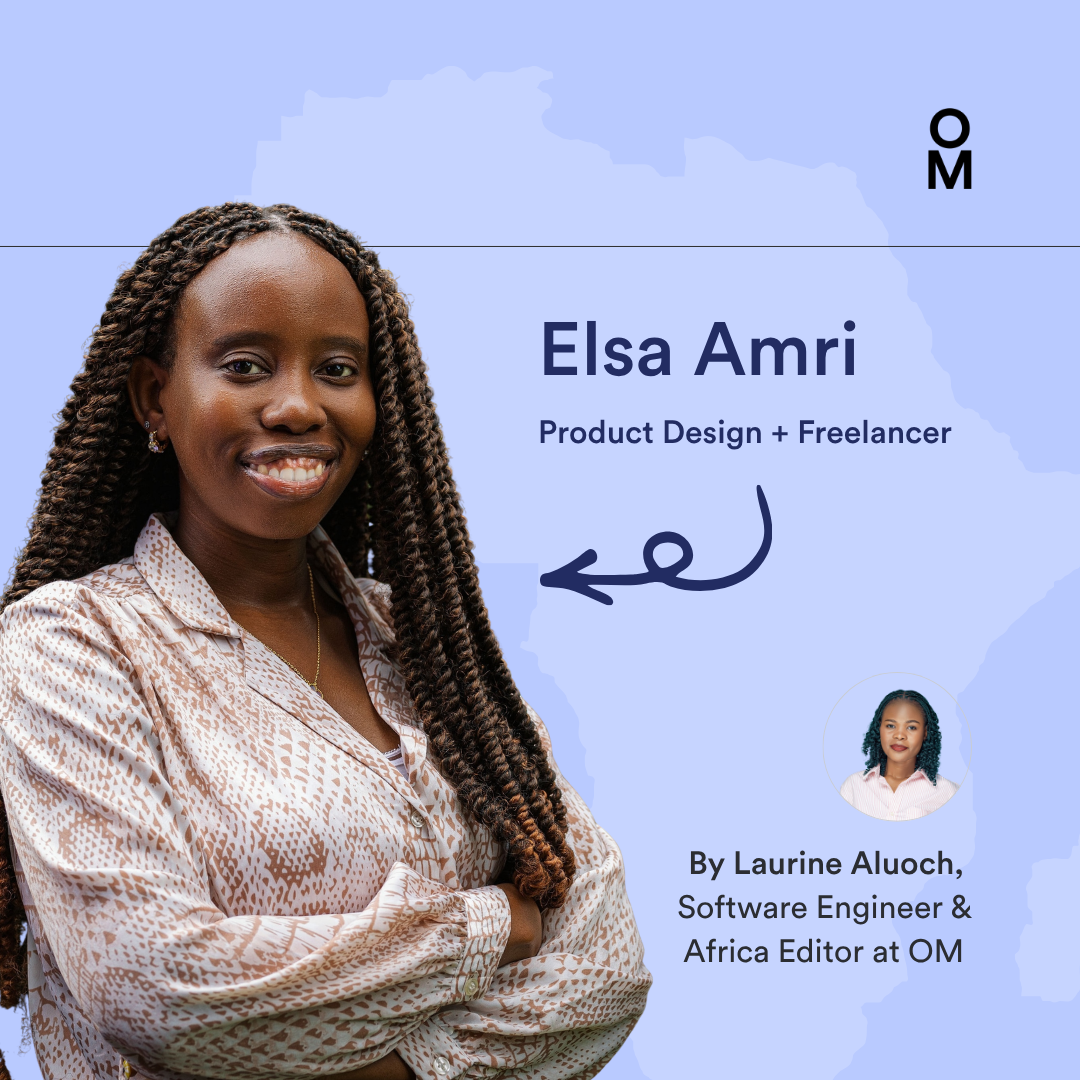
My design journey began around 2021, post-COVID, while I was pursuing my postgraduate studies in User Experience Design. At the time, I started sharing what I was creating on social platforms, mainly on LinkedIn and X (then Twitter). Initially, I shared my visual designs for fun as I enjoyed learning. Interestingly, that visibility led to something much bigger. I began forming connections, receiving acknowledgements, and gradually, people started reaching out to work with me. These weren’t random opportunities. These opportunities came from connections who had seen what I could do through the consistent sharing of my work. As more requests came in, I became more intentional about growing my skill set. I expanded from web design into brand design and Webflow development. That evolution marked the beginning of my freelancing career in product design, and eventually my design studio as well, with a particular focus on web design and Webflow development.
Of course, the market has shifted. When I started post-COVID, it was relatively straightforward to access opportunities. Since then, more people have embraced freelancing, which has increased competition and, in some cases, created less stability. However, that doesn’t mean freelancing is no longer worth pursuing. The field has also seen a significant increase in adoption, resulting in more opportunities. I believe the market is still quite accessible; it simply requires more grit than before. In fact, freelancing has remained quite steady despite these changes, especially as more companies are now opting for consulting-based engagements rather than traditional employment. So, while it may feel more competitive, the opportunity is still very much there for those willing to stay consistent and intentional.
I have been fortunate to have been exposed to different markets from a very young age, and that has shaped how I see the world and my place in it. But more than anything, what has been fundamental in my career is how I perceive myself. When I approach opportunities, I don’t limit myself with thoughts like “I am young,” “I am a woman,” or “I am African.” Instead, I focus on my abilities, something I have had to actively work on over time. I don’t believe that my background, gender, or age defines my capability in the workplace. Another important factor has been the people I have had the privilege of working with. I have been fortunate to collaborate with individuals and companies that value my skills rather than non-work-related qualities. Lastly, tech communities have played a huge role in my journey. Being part of spaces with other women in tech has helped me grow, and I have built meaningful connections through communities like Floxies. I’ve also had the opportunity to mentor other women, and there’s something incredibly powerful about seeing someone start, grow, and eventually become a mentor themselves.
When I first started freelancing, the market wasn’t as saturated as it is today, and as such, mentorship was relatively difficult to access. Because of that, I had to actively reach out to people who had already done what I was trying to do. Their support played a huge role in my growth, and it’s one of the reasons communities are so important to me today. Having experienced both sides, as a mentee and now as a mentor, I have seen how powerful that exchange can be. Watching someone grow in their career, gain confidence, and eventually support others is incredibly fulfilling. At different stages of my journey, I reached out specifically to Black women who were already in positions I aspired to, such as creative directors, founders, and leaders in the space. What stood out to me was how willing people were to share guidance when you simply reached out. Often, access to advice and shared experiences is what makes all the difference.
1. Take a structured, traditional approach to learning - I still strongly encourage taking a traditional, structured learning path. It ensures you build a solid understanding of your field. While AI has significantly improved productivity, it can only truly help you if you understand what you’re doing.
2. Embrace AI in your work - AI is already shaping the future of work, and it’s important to learn how to use it effectively. When used well, it can significantly improve how you work. With the benefits that come with using AI, the best approach is to embrace it in your work as a tool without making it your primary brain.
3. Stay curious about your field - Always explore what there is to learn. At different points, you’ll encounter things that feel unfamiliar, but when you take the time to understand them, your knowledge expands. Over time, the pieces begin to come together. Staying curious and committed to learning is what keeps you growing in Tech.







.png)


.png)


